Nestled in the heart of northeastern Romania, Iași is a city where centuries of history breathe through every cobblestone street and grand façade. Once the capital of the Principality of Moldavia for nearly 300 years and briefly the capital of Romania itself between 1916 and 1918.
At the heart of the cityscape stands the magnificent Palace of Culture - a Neo-Gothic masterpiece built between 1906 and 1925, rising on the very site of the medieval Princely Court of Moldavia and housing four world-class museums. Nearby, the Golden Plateau — the historic nucleus of the city — stretches from the Palace of Culture to Union Square, lined with administrative buildings, historic churches, palaces, and mansions.
Iași is one of the very few cities in the Orthodox world home to more than 100 churches, from the ornately carved Trei Ierarhi Monastery to the soaring Metropolitan Cathedral. This is a city of firsts: the first Romanian-language school was founded here, the first book printed in Moldavia was issued here, and it is home to Alexandru Ioan Cuza University - the oldest university in Romania, founded in 1860. Today, five public universities welcome over 60,000 students, making Iași one of Romania's foremost centres of academic life.
Beyond its monuments, Iași is home to Romania's oldest theatre, the Vasile Alecsandri National Theatre, and the seat of the Moldova Philharmonic Symphony Orchestra. From its museums and memorial houses to its craft breweries and lively café terraces, the city balances a reverence for its past with the youthful energy of a thriving student population.
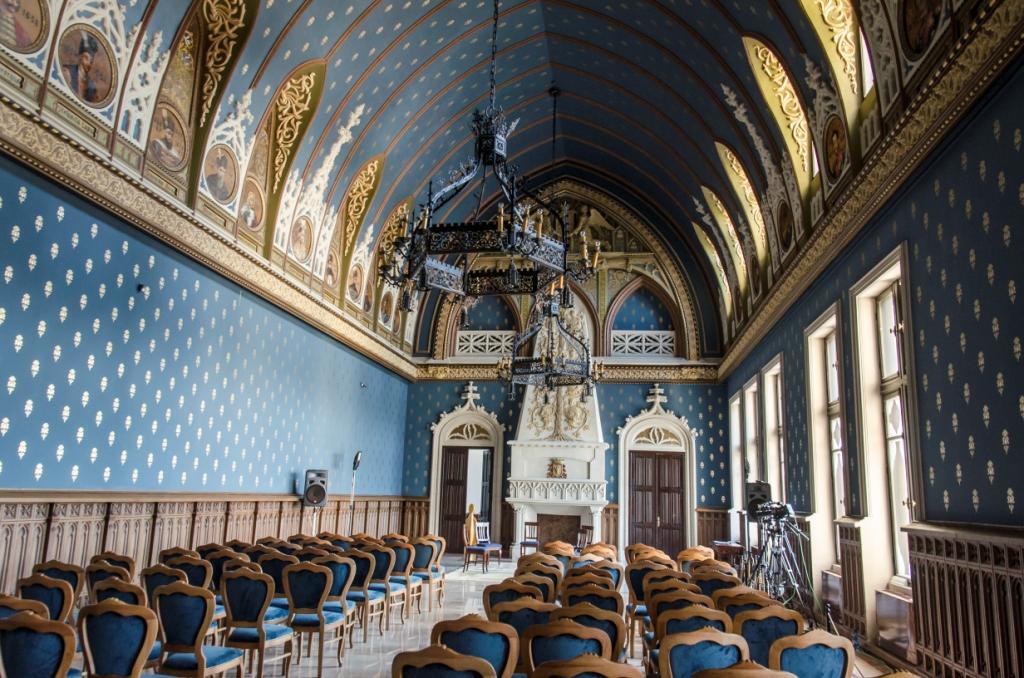
Iasi International Airport (IAS): Direct flights to major European hubs (Vienna, London, Rome, etc.).
From the Airport: Bus Line 50 connects the Airport to the City Center every 30 minutes.
Uber and Bolt are widely available and very reliable for quick trips to the city.
The city features a dense network of trams and buses. You can pay for tickets using a contactless bank card directly on the vehicle or via the 24Pay app.
Romania uses the Romanian Leu (RON), not the Euro.
While cards are accepted almost everywhere, we recommend having a few bills on hand—if only to see them!
52nd Annual Congress of the European Society for Artificial Organs
Iași, Romania •
September 9-12, 2026